• homeHome
  • searchSearch
  • emailContact

Secondary menu

  • Who we are
    • Our people
    • Governance
    • Traditional Custodians
    • Project Partners
    • Our people
    • Governance
    • Working with Traditional Custodians
    • Project partners

  • What we do
    • Research
    • Monitoring
    • Expert advice
    • Education & Communication
    • Research
      • Biology
      • Threats
      • Other Research
    • Monitoring
    • Expert advice
    • Education and communication
      • School Engagement
      • Community Engagement
      • Communicating Science

  • Flatback turtles
    • Flatback biology
    • Flatback threats
    • Flatback conservation
    • Australian turtles
    • Flatback biology
    • Flatback threats
    • Flatback conservation
    • Australian turtles

  • Resources
    • Guidelines and policies
    • Peer-reviewed research
    • Monitoring and volunteering
    • Education resources
    • Code of Conduct
    • Guidelines and policies
    • Peer-reviewed research
    • Monitoring and volunteering
    • Education resources

  • Get involved
    • Work with us
    • Post-graduate students
    • Volunteering
    • Learn with us
    • Work with us
    • Post-graduate students
    • Volunteering
    • Learn with us

  • Turtle watching

Breadcrumb

  1. Home
  2. Get Involved
  3. Volunteering

Delambre Island

Photo - Tristan Simpson/DBCA

Volunteering at Delambre Island

The Delambre Island monitoring program is a unique experience where volunteers camp on the nesting beach of a high density flatback turtle rookery. The North West Shelf Flatback Turtle Conservation Program runs from mid-November to mid-December each year for four weeks. Monitoring on Delambre involves both night-time tagging and morning track counts.

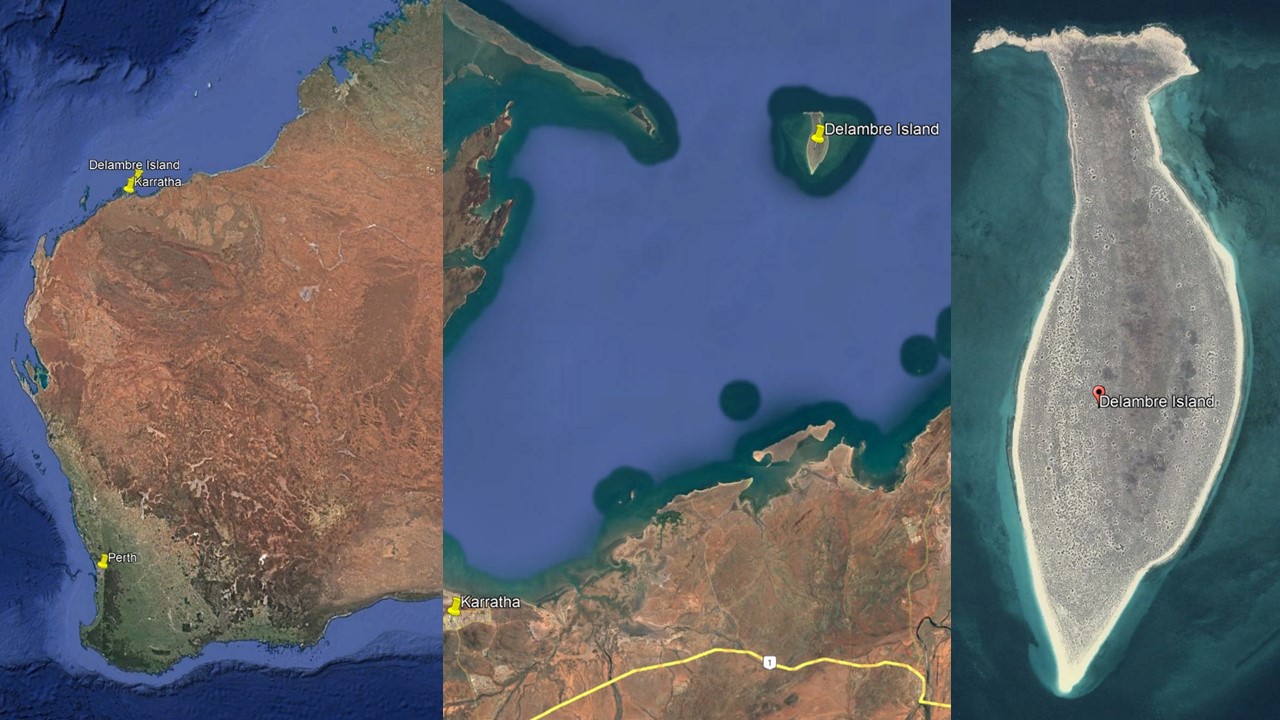
Delambre Island is an uninhabited sandy island in Ngarluma Country off the coast of Karratha on the eastern extent of the Dampier Archipelago. The island is listed as a class C reserve with camping permitted on the island's southern half. The monitoring camp is set up on the southeast beach and monitoring occurs across the bottom portion of the island where nesting turtles are most accessible.
Key points

Summary of research activities

Monitoring on Delambre Island includes flipper tagging, PIT tagging, morphometric measurements, biopsy sampling, nest marking, and track counts.

Island experience

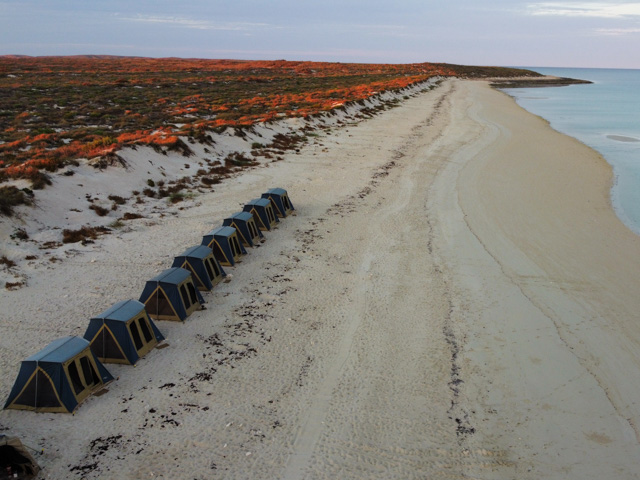
Accommodation on the island is a tent for each participant, with composting toilets provided and bathing done in the ocean due to limited access to fresh water. Phone reception is available but can be limited at times. Limited electricity is provided as all power comes from solar. Volunteers are free to swim, go fishing, or explore the island in their time off.

What to pack

Sheets, pillow, sleeping bag/blanket, casual clothing for all conditions, water bottle, sunscreen, sunglasses, hat, towel/sarong, toiletries, medication, personal items, books and/or music, and fishing/swimming/snorkelling gear.

Information for volunteers

Delambre Island Volunteer Booklet 2026

Download

Aerial view of volunteer camp setup at Delambre Island in 2021. Photo - Jenny Schilling
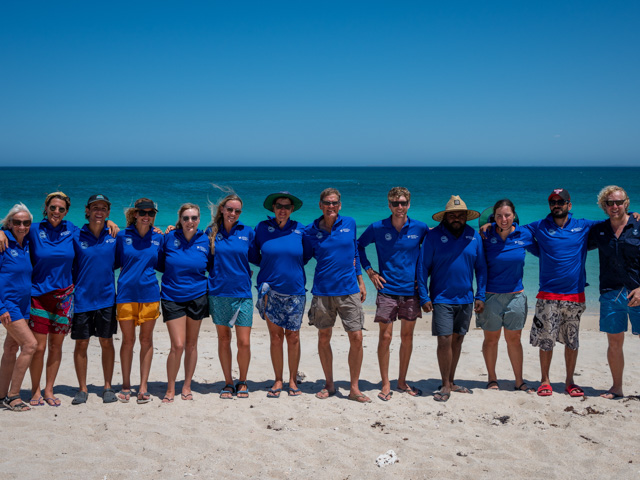
Volunteers at Delambre Island, 2022. Photo - Tristan Simpson/DBCA
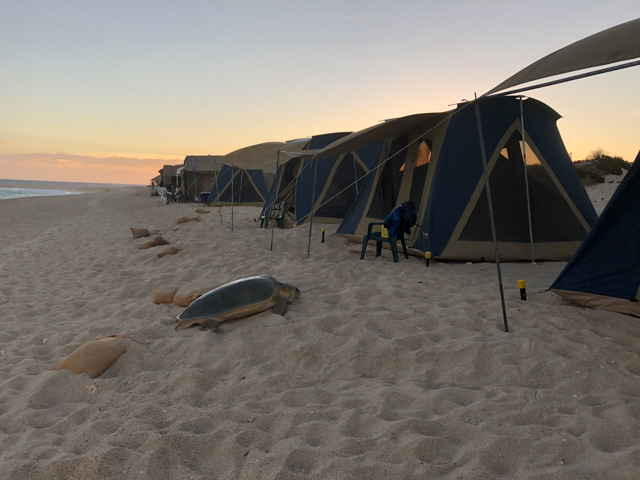
A flatback turtle creates a nest in front of the volunteer camp setup. Photo - DBCA
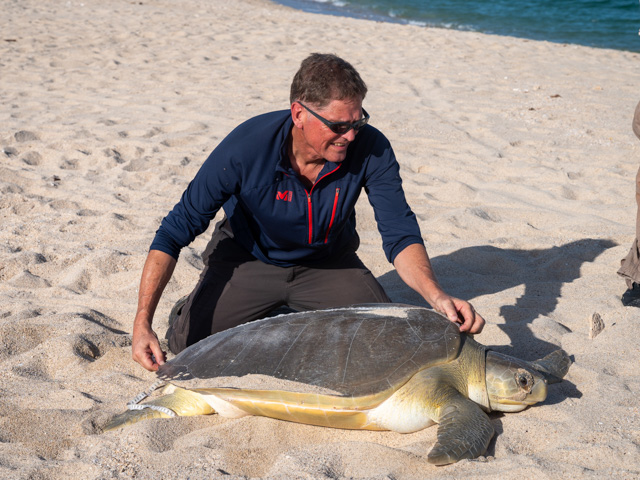
Volunteer Taco Viets measuring a flatback turtle carapace on Delambre Island. Photo - Tristan Simpson/DBCA
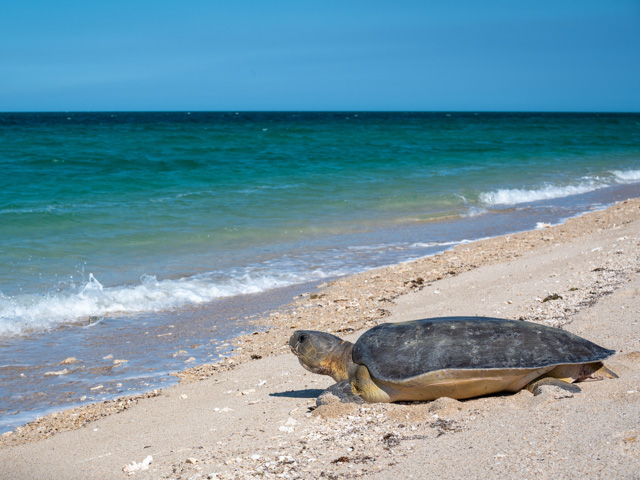
A flatback turtle returning to the water after nesting on Delambre Island. Photo - Tristan Simpson/DBCA
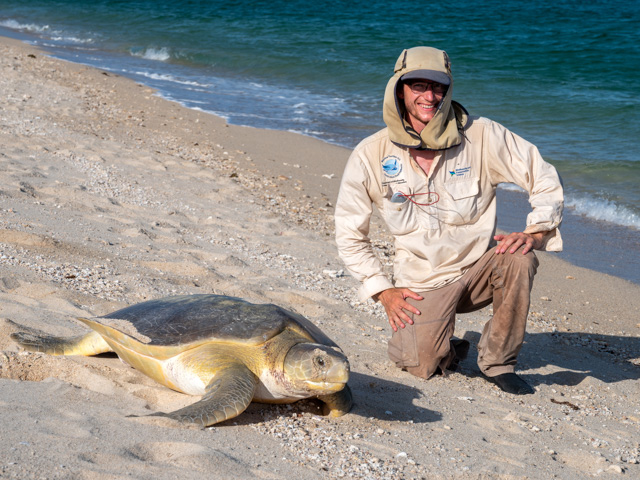
Team Leader Sam Clarke with a flatback turtle on Delambre Island. Photo - Tristan Simspon/DBCA
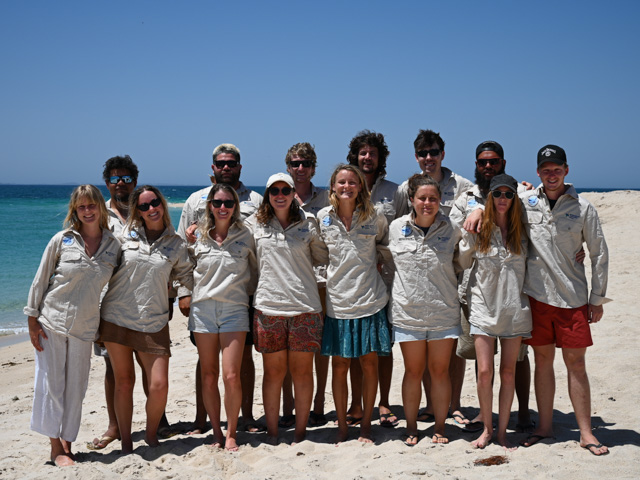
Volunteers at Delambre Island. Photo - Tristan Simpson/DBCA
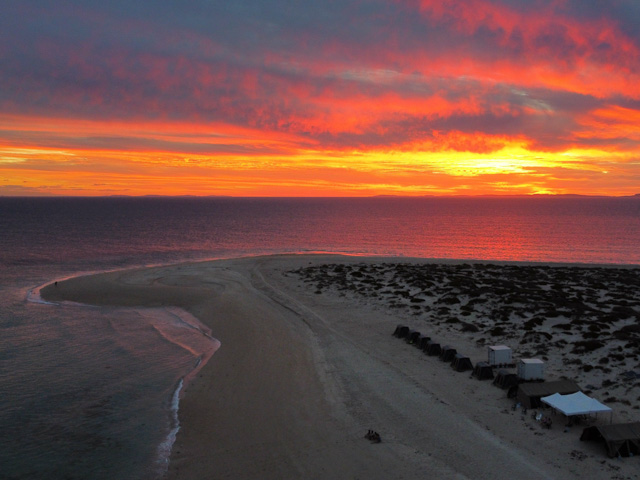
Aerial view of Delambre Island at sunset, 2021. Photo - Jenny Schilling
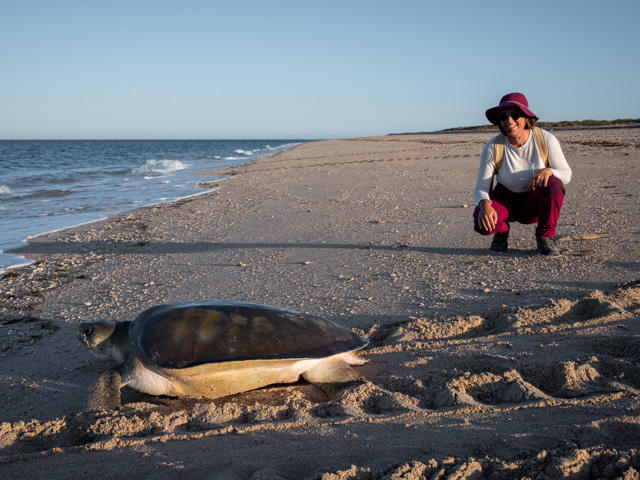
Volunteer Arianna observing a flatback returning to the water on Delambre Island. Photo - Tristan Simpson/DBCA
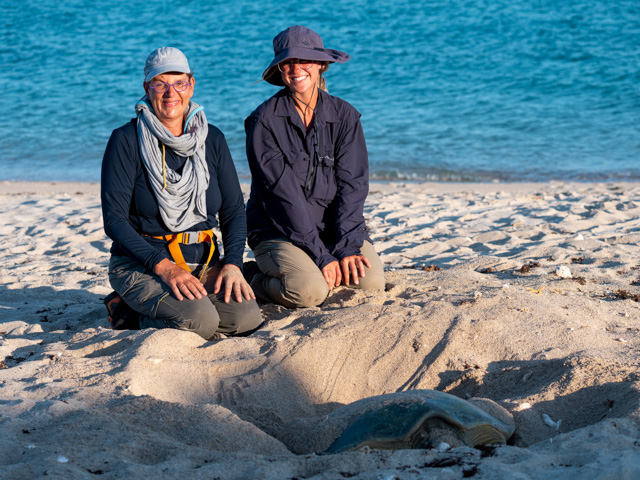
Volunteers Hera and Eva observing a flatback turtle nesting at Delambre Island, 2022. Photo - Tristan Simpson/DBCA

Thevenard Island

Delambre Island

If you've found injured wildlife, call the Wildcare Helpline on 61 8 9474 9055.

Image
facebook
Image
linkedin
Image
icon-instagram
Image
icon-email

Footer Home

  • Home
  • Latest updates
  • Contact

Who we are menu

  • Who we are
    • Our people
    • Governance
    • Working with Traditional Custodians
    • Project partners

  • Our people
  • Governance
  • Traditional Custodians
  • Project partners

What we do menu

  • What we do
    • Research
      • Biology
      • Threats
      • Other Research
    • Monitoring
    • Expert advice
    • Education and communication
      • School Engagement
      • Community Engagement
      • Communicating Science

  • Research
  • Monitoring
  • Expert advice
  • Education

Flatback turtles menu

  • Flatback turtles
    • Flatback biology
    • Flatback threats
    • Flatback conservation
    • Australian turtles

  • Flatback biology
  • Flatback threats
  • Flatback conservation
  • Marine turtles of WA

Resources menu

  • Resources
    • Guidelines and policies
    • Peer-reviewed research
    • Monitoring and volunteering
    • Education resources

  • Guidelines & policies
  • Peer-reviewed research
  • Monitoring and volunteering
  • Education

Get involved menu

  • Get involved
    • Work with us
    • Post-graduate students
    • Volunteering
    • Learn with us

  • Work with us
  • Post-graduate students
  • Volunteering
  • School camps & incursions

WA.gov.au

Copyright

Disclaimer

Privacy

© Government of Western Australia 2025

Back to top