• homeHome
  • searchSearch
  • emailContact

Secondary menu

  • Who we are
    • Our people
    • Governance
    • Traditional Custodians
    • Project Partners
    • Our people
    • Governance
    • Working with Traditional Custodians
    • Project partners

  • What we do
    • Research
    • Monitoring
    • Expert advice
    • Education & Communication
    • Research
      • Biology
      • Threats
      • Other Research
    • Monitoring
    • Expert advice
    • Education and communication
      • School Engagement
      • Community Engagement
      • Communicating Science

  • Flatback turtles
    • Flatback biology
    • Flatback threats
    • Flatback conservation
    • Australian turtles
    • Flatback biology
    • Flatback threats
    • Flatback conservation
    • Australian turtles

  • Resources
    • Guidelines and policies
    • Peer-reviewed research
    • Monitoring and volunteering
    • Education resources
    • Code of Conduct
    • Guidelines and policies
    • Peer-reviewed research
    • Monitoring and volunteering
    • Education resources

  • Get involved
    • Work with us
    • Post-graduate students
    • Volunteering
      • Thevenard Island
      • Volunteering enquiry form
    • Learn with us
    • Work with us
    • Post-graduate students
    • Volunteering
    • Learn with us

  • Turtle watching

Breadcrumb

  1. Home
  2. Get Involved
  3. Volunteering

Thevenard Island

Photo - Tristan Simpson/DBCA

Volunteering at Thevenard Island

The Thevenard Island monitoring program is a unique experience where volunteers stay in cabins located metres away from a medium-density turtle nesting beach. The program runs from mid-November to mid-December each year for four weeks. Monitoring on Thevenard involves both night-time tagging and island wide morning track counts.

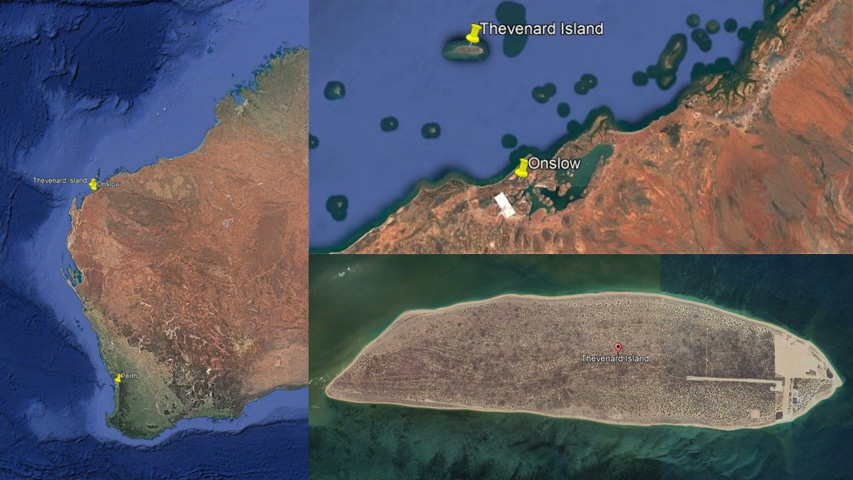
Thevenard Island is located approximately 22km off the coast from Onslow in Thalanyji Country, in the Pilbara region of Western Australia. The island is the largest of a group of ten islands called the Mackerel Islands. Thevenard Island is a class C nature reserve but has a resort situated on the eastern end. The island is about 6km long and occupies 550 hectares.
Key points

Summary of research activities

Monitoring on Thevenard Island includes flipper tagging, PIT tagging, morphometric measurements, biopsy sampling, nest marking, and track counts.

Island experience

Accommodation on the island is a resort and volunteers share rooms (two people per room). A kitchen, bathroom and all normal amenities are provided. Phone reception is available but can be limited at times. Volunteers are free to swim, go fishing, or explore the island in their time off.

What to pack

Casual clothing for all conditions, sunglasses, hat, water bottle, sunscreen, towel/sarong, toiletries, medication, personal items, books and/or music, and fishing/swimming/snorkelling gear.

Information for volunteers

Thevenard Island Volunteer Booklet 2026

Download

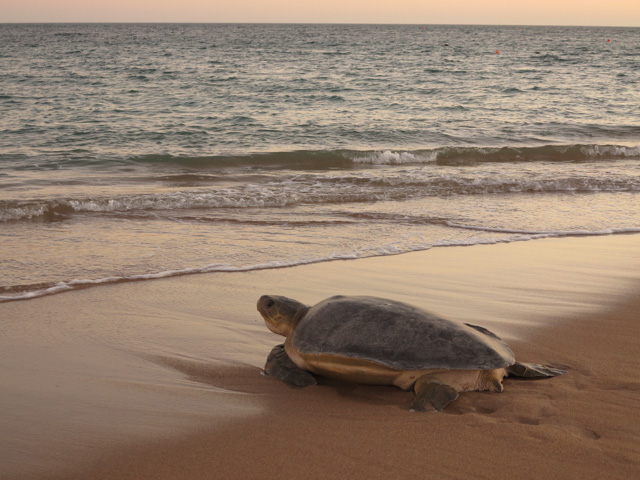
A flatback turtle returns to the water on Thevenard Island. Photo - DBCA
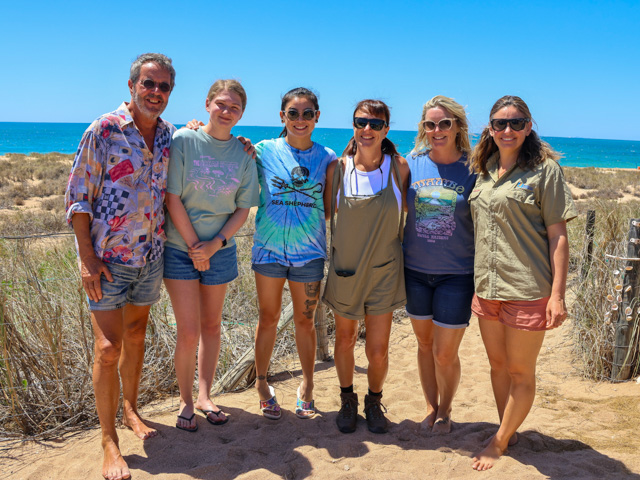
Volunteers on Thevenard Island, 2023. Photo - Clodagh Guildea/DBCA
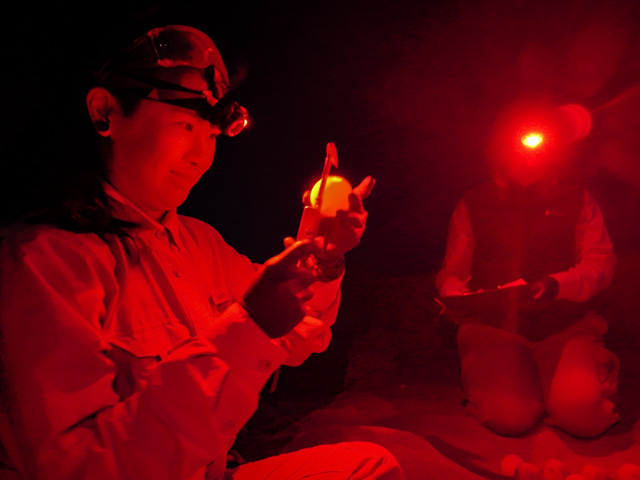
Volunteers examining turtle eggs on Thevenard Island, 2023. Photo - Clodagh Guildea/DBCA
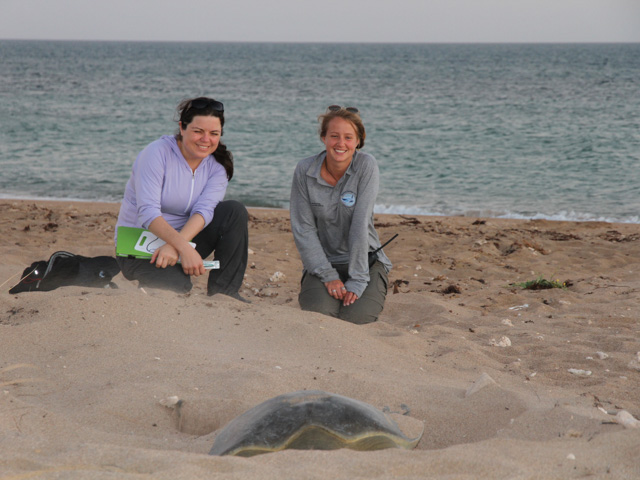
Volunteers observing a flatback turtle nesting on Thevenard Island, 2017. Photo - DBCA
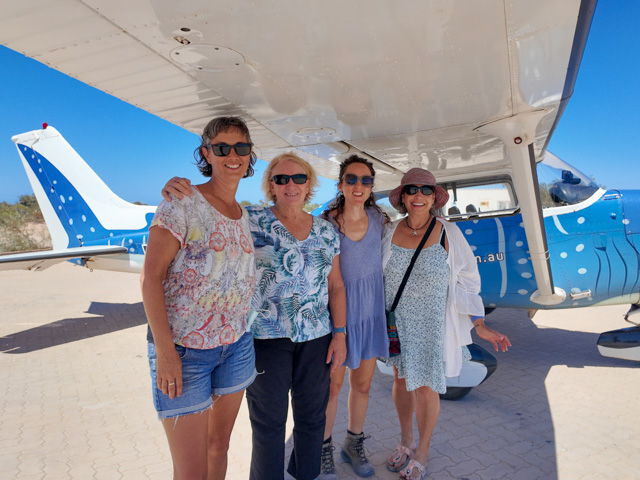
Volunteers about to board a light plane back to Exmouth on Thevenard Island, 2023. Photo - Clodagh Guildea/DBCA
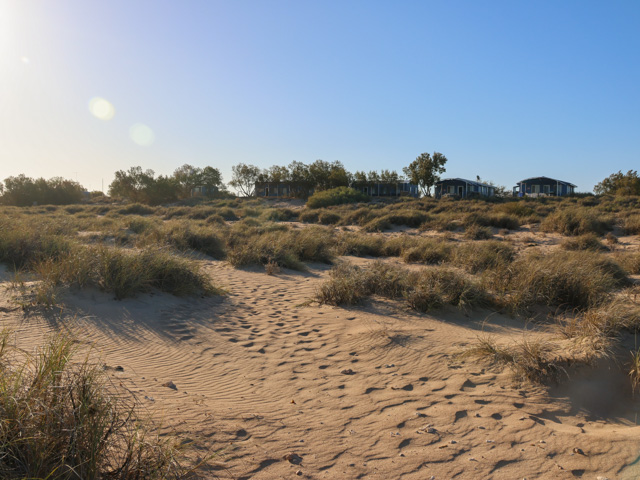
Beachfront cabins on Thevenard Island. Photo - Clodagh Guildea/DBCA
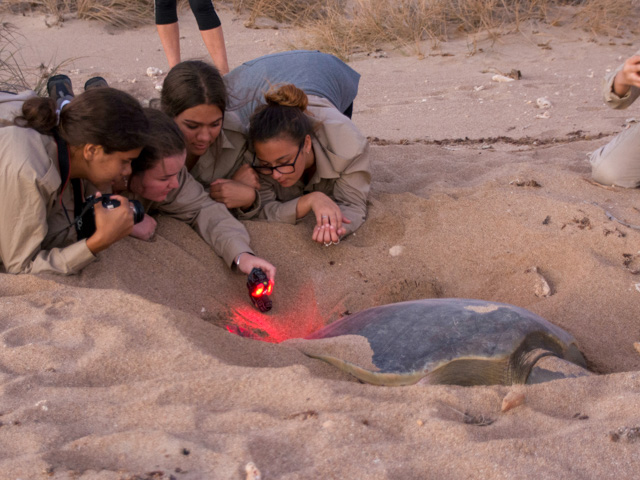
Volunteers observing a flatback turtle nesting on Thevenard Island. Photo - DBCA
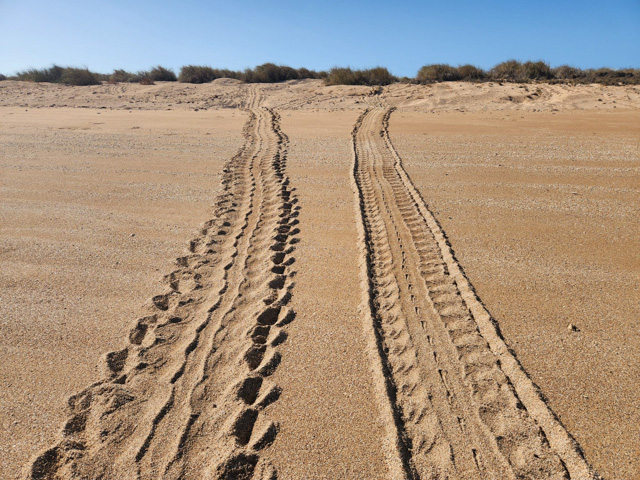
Turtle tracks on Thevenard Island. Photo - Narelle Brook/Mackerel Islands
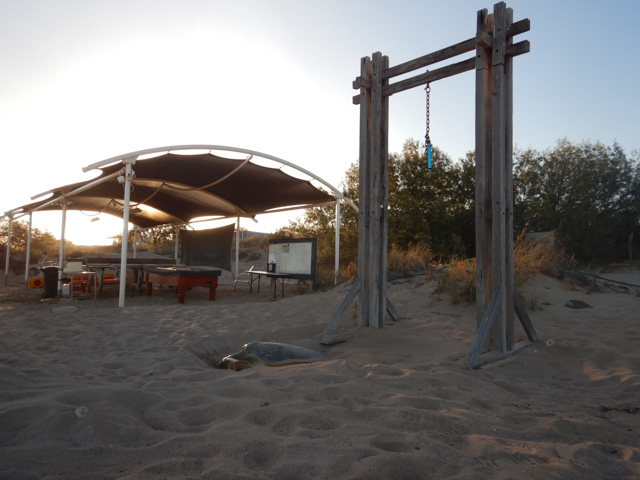
A flatback turtle nests near Thevenard Island accommodation. Photo - DBCA

Thevenard Island

Delambre Island

If you've found injured wildlife, call the Wildcare Helpline on 61 8 9474 9055.

Image
facebook
Image
linkedin
Image
icon-instagram
Image
icon-email

Footer Home

  • Home
  • Latest updates
  • Contact

Who we are menu

  • Who we are
    • Our people
    • Governance
    • Working with Traditional Custodians
    • Project partners

  • Our people
  • Governance
  • Traditional Custodians
  • Project partners

What we do menu

  • What we do
    • Research
      • Biology
      • Threats
      • Other Research
    • Monitoring
    • Expert advice
    • Education and communication
      • School Engagement
      • Community Engagement
      • Communicating Science

  • Research
  • Monitoring
  • Expert advice
  • Education

Flatback turtles menu

  • Flatback turtles
    • Flatback biology
    • Flatback threats
    • Flatback conservation
    • Australian turtles

  • Flatback biology
  • Flatback threats
  • Flatback conservation
  • Marine turtles of WA

Resources menu

  • Resources
    • Guidelines and policies
    • Peer-reviewed research
    • Monitoring and volunteering
    • Education resources

  • Guidelines & policies
  • Peer-reviewed research
  • Monitoring and volunteering
  • Education

Get involved menu

  • Get involved
    • Work with us
    • Post-graduate students
    • Volunteering
    • Learn with us

  • Work with us
  • Post-graduate students
  • Volunteering
  • School camps & incursions

WA.gov.au

Copyright

Disclaimer

Privacy

© Government of Western Australia 2025

Back to top